Carpet Cleaning Greeley CO for New Homeowners
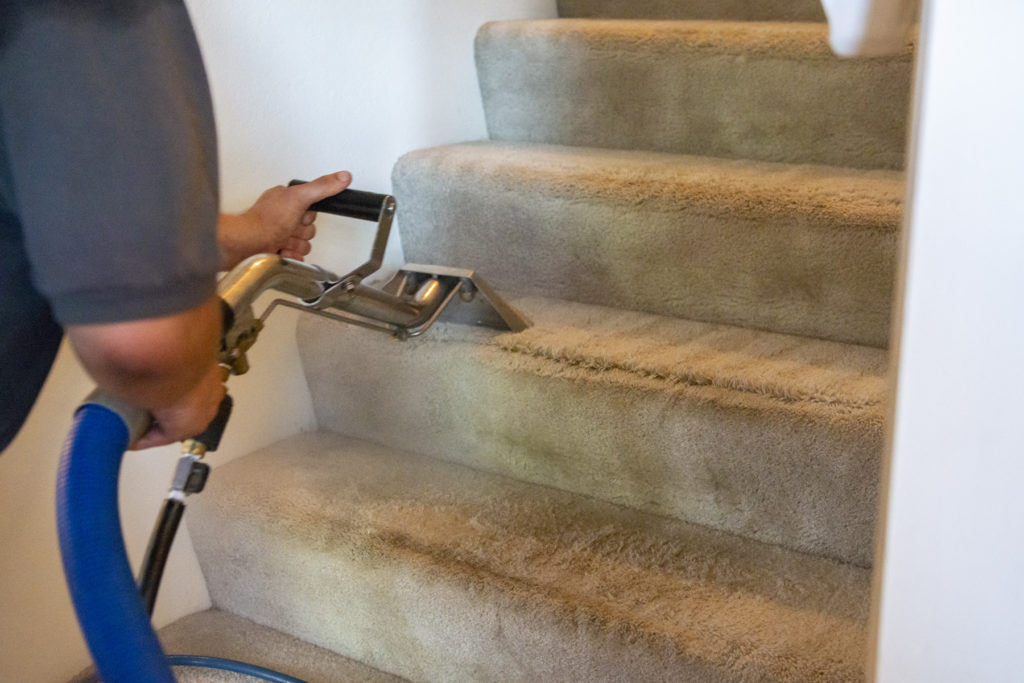
Buying a home in Greeley changes the way you look at carpet. In a rental, carpet is just there. In your own house, it becomes an asset you have to protect, a filter that catches dust and pollen, and sometimes the first thing guests notice when they walk in. New homeowners often focus on paint colors, furniture placement, and unpacking boxes. Then, about a week in, they realize the carpet holds more of the previous owner's story than expected.
That is common, especially in homes that have seen a few years of pets, kids, heavy foot traffic, or deferred maintenance before the sale. A carpet can look passable during a quick showing and still hold fine dust, lingering odors, and traffic lane wear that become much more obvious once the house is quiet and fully yours. If you are searching for Carpet Cleaning Greeley CO services after closing, you are not alone. For many homeowners, professional cleaning is one of the first practical jobs worth scheduling.
What makes this topic more interesting in Greeley is the mix of climate, lifestyle, and housing stock. Dry conditions can keep carpets from feeling damp, but they also let dust travel and settle deep into fibers. Snow, mud, lawn debris, and the grit tracked in from driveways all have a way of embedding themselves. Homes near open land can collect fine soil faster than owners expect. Add pets, seasonal allergens, and the normal wear of move-in day, and carpet care quickly shifts from cosmetic to essential.
What new homeowners usually discover after move-in
The first deep clean in a newly purchased home often reveals things you could not catch during the transaction. Even if the seller vacuumed and did a respectable job preparing the property, surface cleaning is not the same as restorative cleaning. Once the furniture is out, you can see the true map of foot traffic. Hallways may look darker. Living room edges may be lighter because rugs shielded the center. Bedrooms sometimes carry powdery dust from neglected returns or old windows, even when they smell fine at first.
Odor is another surprise. Empty houses smell different from lived-in houses. During a showing, scented candles, open windows, or staging tricks can mask a carpet issue. After move-in, the hidden smells come forward, especially if the HVAC runs more consistently. Pet urine is the classic example, but it is not the only one. Spilled coffee, old moisture exposure, and years of household oils can leave a stale scent that no amount of vacuuming fixes.
I have also seen many first-time homeowners assume the carpet was cleaned because the invoice said "professionally cleaned before closing." Sometimes that means a genuine hot water extraction by a qualified crew. Sometimes it means a quick pass with a rental machine or a low-moisture touch-up aimed at appearance, not deep soil removal. The difference shows up within days. Carpets that looked bright on closing day may flatten, spot back, or release odor as they dry out and settle.
Why carpet cleaning matters more in Greeley than people think
Greeley homes deal with a particular kind of mess. The area’s dry air allows fine particles to stay mobile. They come in through doors, windows, and on shoes. Once those particles settle into carpet, they act like abrasives. Every step grinds them deeper, slowly wearing fibers down. This is one reason older carpets can look matted in pathways even when they are not heavily stained.
Seasonal weather adds another layer. Winter means snowmelt, de-icing residue, and dirty slush. Spring brings mud and moisture. Summer often means open windows, outdoor activity, and more dust. Fall can carry in dry leaves and organic debris. Carpet works like a trap for all of it. That is helpful to a point, because it keeps some debris out of the air, but only if you remove that buildup before it accumulates.
For households with children or pets, the stakes rise. Kids spend time close to the floor. Pets nap there, track in dirt, and can create recurring odor issues if an old accident was never treated Carpet Cleaning Greeley CO correctly. New homeowners with allergy concerns often notice a meaningful difference after a proper cleaning, especially when combined with fresh HVAC filters and consistent vacuuming. I would never promise carpet cleaning solves every indoor air problem, but it can reduce one of the bigger reservoirs of dust and dander in the home.
The right time to clean, ideally before the boxes arrive
If possible, schedule carpet cleaning after closing but before full move-in. This is the easiest window to do the work thoroughly. Empty rooms let a technician see the carpet clearly, reach edges and corners, and identify old stains that furniture had hidden. Drying is easier too, because there is no need to shuffle sofas or keep kids and pets out of certain rooms.
When that timing is not realistic, the next best option is to prioritize the highest-use spaces first. Bedrooms, the main living area, and hallways usually offer the best return. A lot of homeowners try to wait until they are settled, but once the house is loaded with furniture, the friction of scheduling goes up. Months pass. Then cleaning becomes one more chore on a growing home maintenance list.
For people comparing costs in Carpet Cleaning Greeley CO, the empty-house clean usually makes financial sense. It can be faster and more efficient than a later visit because access is simpler and the technician is not working around furnishings. You also start your life in the house with a cleaner baseline, which makes maintenance much easier over the next year.
How to tell whether the carpet needs routine cleaning or restoration
Not every carpet problem is the same. Some homes simply need accumulated soil removed. Others need targeted treatment for odor, stains, or wear. The challenge is that homeowners often judge carpet by color alone. Soil hides surprisingly well in medium tones and patterned carpets. A beige carpet can look decent until the technician runs a wand over it and reveals a sharp contrast between the cleaned section and the rest.
A few practical signs point toward the need for deeper service:
- The carpet looks dull or gray in traffic lanes even after vacuuming.
- Rooms carry a stale, sweet, or pet-related odor when the house is closed up.
- Socks pick up residue or feel slightly tacky after walking on the carpet.
- Old spots reappear after you blot them or use store-bought cleaners.
- Fibers feel stiff or crunchy in certain areas.
That last point is common after people overuse consumer spot removers. Soap residue left behind in carpet acts like a magnet for new soil. A stain may seem gone for a week, then come back darker because dirt sticks to the residue. That is not a sign that the stain "rose from the pad" every time, though that can happen. Often it simply means too much product was used and too little was extracted.
Choosing a cleaning method with realistic expectations
The best method depends on carpet condition, fiber type, and what problem you are trying to solve. In most residential settings, hot water extraction remains the most reliable all-around option for soil removal and rinsing out residues. Done properly, it flushes out embedded dirt rather than just stirring up the surface. It also tends to be the best approach when odors and pet contamination are part of the picture.
Low-moisture cleaning has its place. It can be useful when dry times need to be short or when the carpet requires lighter maintenance rather than a reset. The problem is not the method itself. The problem is when homeowners are told every carpet can be restored with a quick, low-water pass regardless of condition. A lightly soiled office area and a family room with years of buildup are not the same job.
Shampooing, bonnet cleaning, and consumer rental machines can make carpet look better temporarily, but appearance and cleanliness are not always aligned. Rental machines in particular often leave carpets too wet because they do not extract as strongly as truck-mounted or high-quality portable professional equipment. Excess moisture is hard on backing and pad, and it increases drying time. In the wrong conditions, that can create musty odor instead of solving it.
An experienced cleaner should be able to explain why a method is being recommended, what it can realistically achieve, and where the limits are. Some wear is permanent. Crushed fiber does not always spring back, especially in older synthetic carpet. That is not a cleaning failure. It is a life-cycle issue.
Pet issues require more than fragrance
If the previous owner had animals, smell is often the real concern. Air fresheners can cover pet odor for a short time, but they do nothing to remove the source. When urine reaches the pad or subfloor, the job moves beyond standard surface cleaning. That does not always mean replacement, but it does mean the treatment has to be targeted.
A proper pet treatment usually starts with locating the affected areas, often using moisture detection or UV assistance, though neither is perfect on its own. From there, the cleaner may treat the carpet face, inject treatment into the backing or pad, or in severe cases recommend lifting the carpet to address contamination below. New homeowners are sometimes disappointed by the price of real urine remediation, but there is a reason for it. It is labor-intensive, and partial treatment often leads to recurring odor when humidity rises.
One family I spoke with after a move into a two-story home believed the upstairs bedrooms were fine because there were no visible stains. The smell only appeared in the afternoon after the sun warmed the rooms. Once the carpet was inspected, the issue was concentrated near windows where a pet had apparently marked over time. Surface cleaning improved things for a few days, then the odor returned. A deeper treatment solved most of it, but one closet still needed pad replacement. That is the kind of situation where honest diagnosis matters more than a low quote.
The cost question, and what actually affects it
Prices vary in Greeley just as they do anywhere else, but homeowners should know what drives the estimate. Square footage matters, of course, but so do room layout, severity of soiling, stain treatment needs, pet issues, and whether the home is empty or furnished. Stairs usually cost more because they are slower and harder to clean well. Specialty fibers and delicate rugs can also change the pricing.
Be cautious with extremely low offers. A bargain cleaning can become expensive if it leaves residue, requires a redo, or fails to address odor that you then chase with other services. On the other hand, a high price by itself does not guarantee quality. The useful questions are simple. What method will be used? Are pre-treatment and spot treatment included? Is deodorizer separate? What is the expected dry time? If there are pet issues, how will they be diagnosed and treated?
Reasonable professionals are usually direct about what they can and cannot fix. They should also be able to tell you when replacement is more sensible than continued cleaning. That kind of honesty is often a better signal than any sales pitch.
What you can do before the appointment
Homeowners can make the cleaning more effective without doing much. Vacuuming ahead of time helps, especially in gritty areas. It removes loose dry soil so the extraction process can focus on what is embedded. If you have already moved in, pick up small items and clear floor space as much as possible. Make note of spots, odors, or concerns you want the technician to inspect. The more specific you are, the better the result.
Do not pre-treat everything with grocery store cleaners the night before. That often complicates the job because different products can react unpredictably or leave residue that foams during extraction. If a fresh spill happens, blot it with plain white towels and avoid scrubbing. Aggressive scrubbing can distort fibers and spread the stain.
If the home has HVAC issues, tell the cleaner. Poor airflow can extend dry times. In Greeley’s dry climate, carpet often dries faster than in more humid regions, but every home is different. Basement rooms, shaded areas, and heavily padded carpet can still take longer.
The first year of ownership sets the pattern
The most practical carpet advice for new homeowners is this: the first twelve months establish either a maintenance routine or a cycle of catch-up. Once carpet starts looking rough, people tend to delay because they assume the damage is already done. That is usually too pessimistic. Timely cleaning preserves appearance and extends useful life, especially in hallways and family rooms where wear accumulates quickly.
A simple maintenance rhythm works better than dramatic rescue efforts every few years. Most households do well with regular vacuuming and professional cleaning roughly every 12 to 18 months. Homes with pets, children, heavy traffic, or allergy concerns may need service closer to every 6 to 12 months. The exact interval is less important than paying attention to how the carpet behaves. When it starts looking matted, smelling closed-up, or collecting spots easily, it is telling you the fibers are loaded with residue and soil.
One of the most common mistakes I see from homeowners is assuming "no visible stains" means the carpet is clean. Dirt is often distributed evenly enough that it stops standing out. Then a chair gets moved and the protected patch underneath shows what the original color used to be. Regular cleaning prevents that slow drift.
Common mistakes that shorten carpet life
A few habits do more damage than homeowners realize. Most are easy to fix once you know what to watch for.
- Waiting until carpet looks bad before scheduling service.
- Using too much spot cleaner and failing to rinse it out.
- Leaving entry areas unprotected during snow or muddy weather.
- Running a vacuum with a full bag, clogged filter, or worn brush roll.
- Ignoring small pet accidents because the smell seems to fade.
That last one matters because old urine contamination can reactivate with moisture. The odor seems gone until humid weather, deep cleaning, or even a spilled drink wakes it up again. Addressing it early is almost always cheaper than treating a long-neglected area later.
Why vacuuming still matters after a professional clean
A professional cleaning resets the carpet, but it does not replace routine care. Vacuuming is what keeps abrasive soil from settling back in. For high-traffic areas, two to three passes per week is often reasonable. Less-used bedrooms can go longer. The goal is not obsession. It is consistency.
The quality of the vacuum makes a difference, but technique matters too. Quick one-pass vacuuming leaves a lot behind, especially in denser carpet. Slowing down enough for the machine to pull dry soil from the base of the pile is far more effective. If the home came with carpet that already has some age, this becomes even more important because older fibers hold onto grit differently than new ones.
Entry habits help as well. A durable mat inside and outside the main entrance catches a surprising amount of debris before it reaches the carpet. In homes with children, a simple shoe routine does as much for carpet life as many cleaning products do.
When cleaning is not enough
It is worth saying plainly that not every carpet can or should be saved. If the backing is failing, the odor contamination is extensive, or the wear pattern is severe, replacement may be the smarter long-term move. New homeowners sometimes spend money trying to rescue carpet that has simply reached the end of its life. A good cleaner should be comfortable saying that.
Still, there is a wide middle ground where professional service makes a significant difference. Carpets that look tired but are structurally sound often respond very well to a thorough pre-treatment, careful extraction, and honest spot work. They may not look brand-new, but they can feel cleaner, smell fresher, and buy you a few more years before replacement becomes necessary.
That is often exactly what new homeowners need. Moving into a house comes with enough major expenses already. If a well-executed cleaning can improve comfort, remove the previous owner’s residue, and preserve the flooring you already have, it is money well spent.
For anyone evaluating Carpet Cleaning Greeley CO options, the best approach is practical rather than flashy. Look for clear communication, realistic promises, and a method that fits your carpet’s actual condition. A home feels more like yours when the floors under your feet are genuinely clean, not just visually improved for a day or two. For new homeowners in Greeley, that first professional carpet cleaning is often one of the smartest early decisions you can make.
TLC Carpet & Air Duct Cleaning
6380 W 10th St, Suite 7
Greeley, CO 80634
(970) 352-8176
FAQ About Carpet Cleaning Greeley CO
How much should a carpet cleaner cost in Greeley?
Pricing depends on the number and size of rooms, carpet condition, and add-ons such as stain treatment or stairs. Ask for an itemized quote.
How long will my carpet take to dry after cleaning?
Drying time varies with the carpet, cleaning method, humidity, and airflow. Ask the technician for an estimate and when to move furniture back.
How do I prepare my home for carpet cleaning?
Pick up small items, clear a path for equipment, and point out stains or delicate fibers. Ask the cleaner which furniture they can move and what needs to be moved before the visit.